Steam Wishlists, Explained: What They Do and Why Indie Studios Ask for Them
One free click for you, a launch-day audience for the developer. How Steam wishlists actually work, and what they tell a studio before a game is even finished.
What the button actually does for you
Wishlisting a game on Steam does three concrete things, and all of them are free. It adds the game to a list attached to your account, viewable and sortable in one place. It asks Steam to notify you when a coming-soon game releases — so the announcement finds you, not the reverse. And for games already out, your wishlist doubles as a price watcher: when a discount lands on something you flagged months ago, Steam tells you directly instead of hoping you notice. A price cut on Tidewrack or SlapGains, both released in August 2026, only reaches the people holding the reminder.
None of it commits you to anything. A wishlist entry costs nothing, notifies nobody you know, and deletes in one click. It is the lightest action on the entire store — which is exactly why it is worth understanding.
What the wishlist does for the studio
When you wishlist a game, the developer gains more than a gesture. On launch day, Steam emails everyone who wishlisted the game to say it is now available. A studio that has spent months or years accumulating wishlists therefore opens launch day with an audience that asked to be told — no ad spend, no luck involved.
Wishlist momentum also feeds the store's coming-soon surfaces. Games collecting wishlists steadily are the ones that show up in upcoming-games lists and festival halls, which generates further wishlists. For a one-person studio with no marketing budget, that loop is the growth engine — and it is why developers ask for wishlists so persistently. The asking can feel like begging; the mechanism behind it is real.
The effect compounds at sale time, too. Price cuts get announced to wishlist holders, which is why a game's first major discount often coincides with a visible bump in attention — the list is a standing audience the studio can address whenever it has a reason to. And because launch-day momentum feeds the same visibility systems, the emails sent on day one shape a game's first weeks on the store, not just its first morning.
The cheapest market research available
Before a game is finished, a studio's hardest question is whether anyone wants it. Focus groups cost money most one-person studios do not have. Pre-launch advertising measures willingness to click an ad, not willingness to buy a game. Wishlist growth is a slow, honest poll of genuine interest, taken on the actual store page where actual decisions happen.
It shapes decisions, too. Steady interest on a coming-soon page is a reasonable signal to keep building at the current scope; a flat page is an early warning to reconsider scope, price, or pitch while the game can still change. Players benefit from this indirectly and constantly: the wishlist button is how a studio's future audience votes on its present plans.
How to wishlist well
Using the button honestly takes almost no effort, and it makes the whole system work better in both directions. Three habits cover most of it:
- Play the demo first, when one exists. A wishlist built on played evidence beats one built on trailers. Demos are free, and opinions formed from them hold up.
- Wishlist coming-soon games you genuinely want. That is when the developer benefits most, and when your click counts as a vote on what gets finished.
- Prune during sales. Your wishlist is also a price watcher. Entries you would no longer buy are noise — remove them and the signal improves for everyone.
Wishlist-open right now, demo playable today
Two games in our library are wishlist-open on Steam at this moment, and both can be played for free today. INKBORN, a coming-soon co-op game for up to four players, pitches itself like this:
You wake up in a comic nobody finished, and an eraser is eating the world from the edge of the page. You have a sketchbook: trace an axe and you are holding an axe. Everything costs ink. Colour the page back in before it is gone.
The demo is live on the same Steam page as the wishlist button, which is exactly the pairing worth recommending. The same is true of PARRYGON, a coming-soon PvP duel that folds Pong into a closed polygon: you hold one run of the wall, rivals hold every other side, parrying inside a tight window charges the orb, and a lost wall drops that side of the arena for good — so the room closes in on whoever is left. Its free demo is on its store page now.
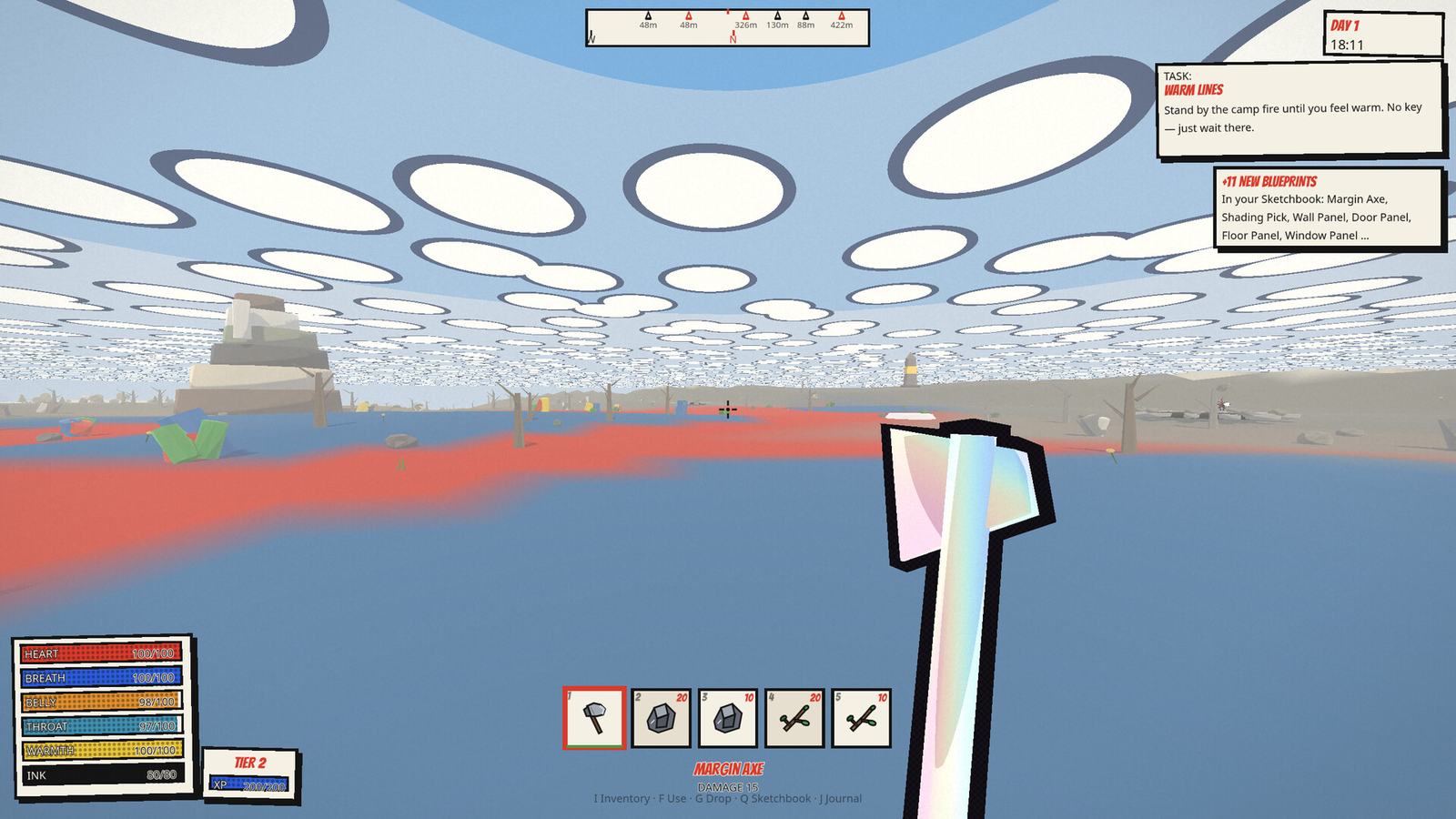
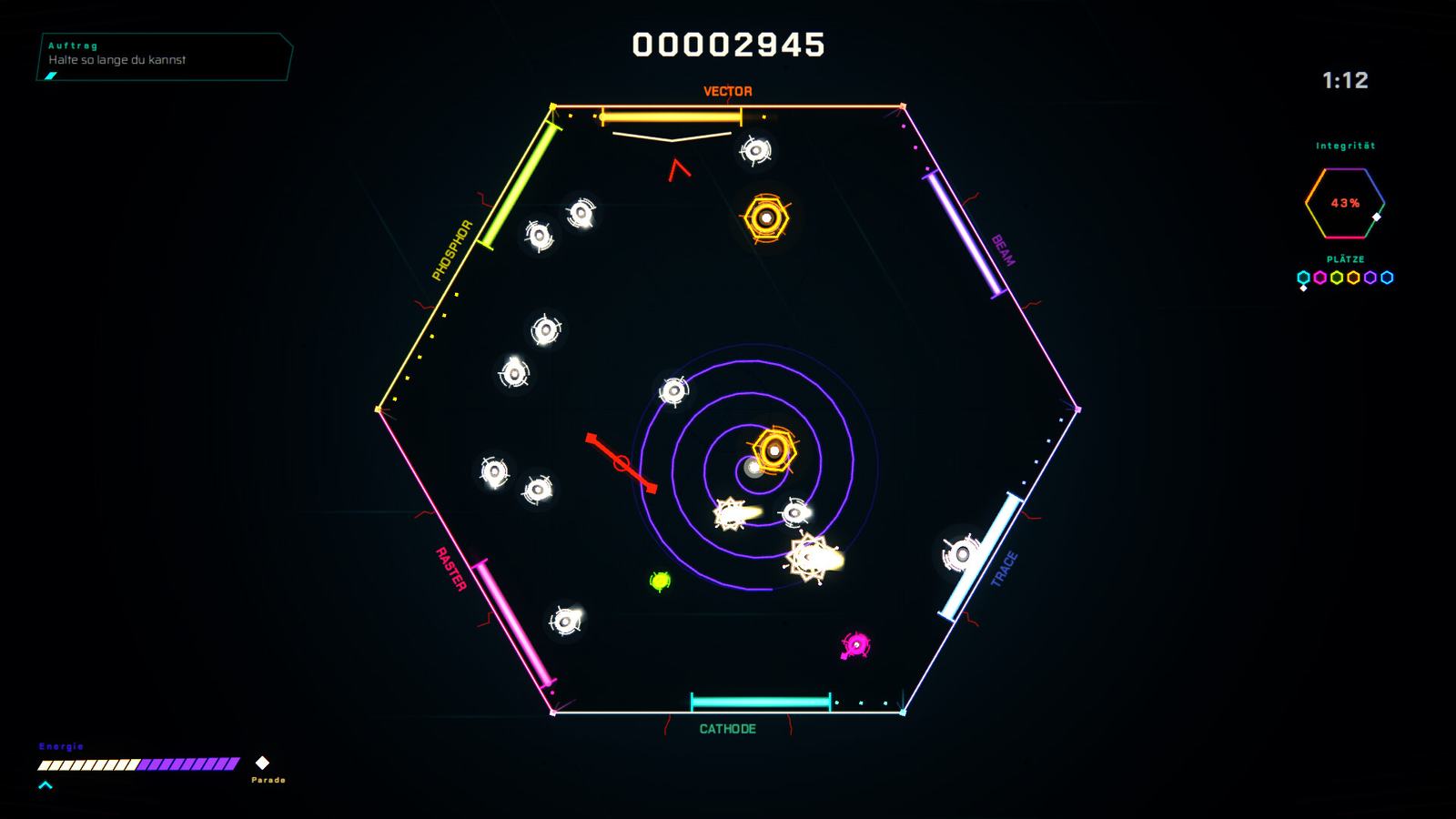
Honest framing: wishlisting either game helps a small studio's launch visibility and costs you one click plus one email you requested. If a demo does not convince you, skip the wishlist — the button works best when it means something. Both titles, plus everything else we cover with verified links, sit on the games index, and launch coverage lands on the news desk as it happens.