How to Actually Find Indie Games on Steam (Discovery Queue, Demos, Next Fest)
Steam's front page has room for a tiny fraction of what ships each year. The discovery queue, tags, demos and Next Fest can do the rest, if you use them on purpose.
Steam buries small games by default
Thousands of games ship on Steam every year, and the store's front page has room for a vanishingly small slice of them. The best shelf space goes to publishers with marketing budgets, franchise familiarity, or an algorithm-pleasing sales history — things a brand-new one-person studio has none of. The game that best matches your taste may never appear in front of you unless you go looking on purpose. That is not a flaw you can wait out; it is the shape of the store.
The good news: Steam's discovery tools work well once you stop waiting to be served. The toolkit is simple — queue, tags, demos, festivals, curators — and every piece of it gets sharper when you use it deliberately. The examples below come from the five games covered on this site. Disclosure, once and in the open: all five happen to be by OverLKD Studio, a one-person studio in Germany, which makes them a fair test. Nobody is spending ad money to put them in front of you. Everything below still finds them.
Rate your queue like you mean it
The discovery queue builds itself from your play history, purchases, and the ratings you leave behind. Most people skip the rating part, which is a mistake, because the queue sharpens fast when you feed it verdicts. Mark a game not interested and its neighbors thin out within a queue or two. Follow a tag on a game you loved and the next queue leans that way. Ten minutes of honest rating after each purchase noticeably improves what shows up tomorrow.
The queue's blind spot is first releases. A game with no sales history gives the algorithm nothing to amplify. By My Side — a survival game about washing up with nothing but your hands, chopping wood, building a home through harsh seasons and wolf packs, with an optional stray dog who stays loyal to the end — was its studio's first Steam release in July 2026. First games like that rarely stroll into anyone's queue unassisted. They show up because someone rated enough co-op survival games that the queue ran out of famous ones.
Tags beat the search box
Steam's search box matches words. Tags match concepts, and chaining them is the closest thing the store has to a query language: genre, plus mechanic, plus player count. Start from a game you love, open its tags, combine two or three, and sort by release date so you are browsing this year's output instead of the same 2016 classics everyone already owns.
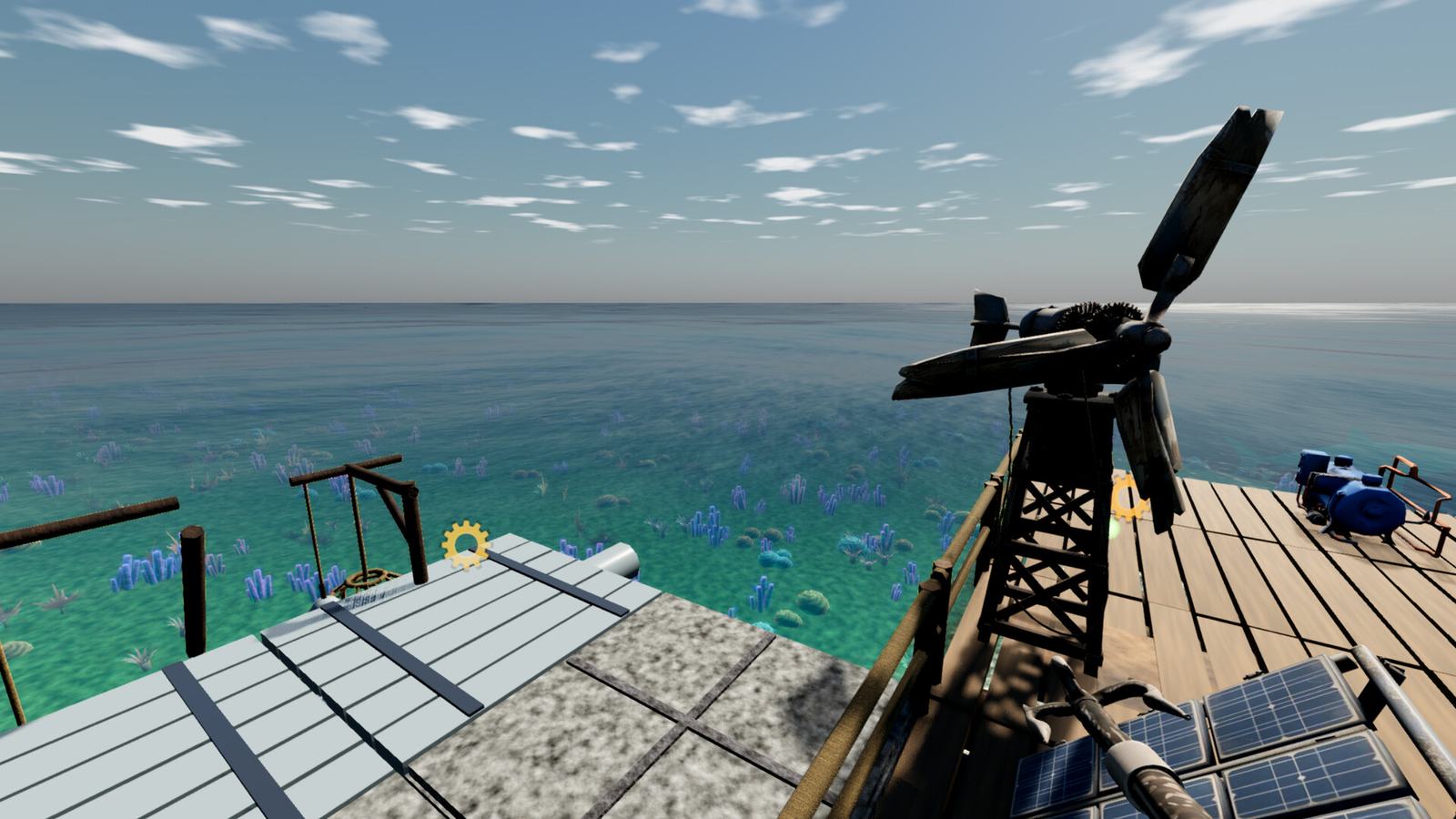
In practice, this is how buried games get found. Tidewrack, an adventure-simulation game about pulling driftwood from the sea and growing a raft into a floating town, solo or in online co-op with friends invited straight from Steam, surfaces under adventure and simulation tags once you add co-op to the chain. SlapGains — neon-gym training where every rep lands on the beat, feeding slap fights across five leagues from Bronze to Diamond — lives in the action-casual corner where tag browsing genuinely outperforms the front page. Neither game is something an algorithm promotes unprompted. Both are things a two-tag search finds in under a minute.
Demos: certainty at zero dollars
Screenshots are chosen by the seller. A demo is the product. Steam keeps a dedicated demos section, and any store page with a demo offers it directly — no purchase, no refund paperwork, no two-hour clock. For small games especially, the demo answers the one question no description can: does the core loop feel good in your hands?
All five games covered here ship free demos, and the released ones are the clearest argument for the habit. SlapGains is a rhythm game, and rhythm lives or dies on feel. By My Side's pacing — chop, build, survive the season — either respects your evenings or it does not. Tidewrack hands you its canonical opening, a few logs, one harpoon, no land in sight, as a free demo on the game's Steam page, and lets you decide whether you want to turn that into a floating town. Every one of those judgments takes minutes, costs nothing, and beats reading a marketing paragraph.
Next Fest and the festival calendar
Steam Next Fest, which runs several times a year, is the store's loudest celebration of unreleased games: hundreds of playable demos, developer livestreams, and halls organized by genre and theme. Between editions, smaller themed festivals do similar work for specific niches. For a player, every festival is the same bargain — a compressed catalog of games you can play rather than watch.
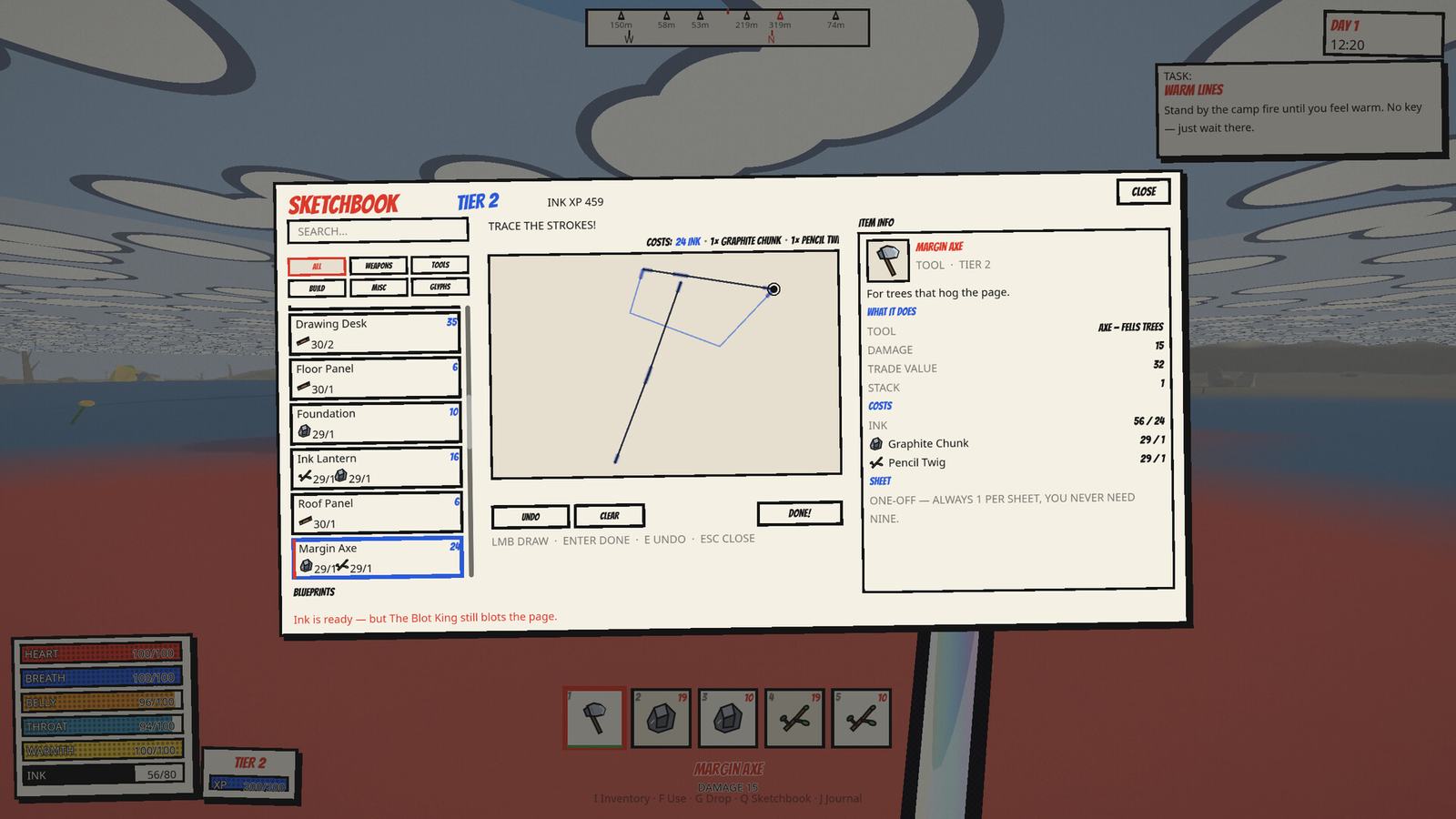
Festivals are also where coming-soon games earn their audience. Both INKBORN, a coming-soon co-op game for up to four players in which you trace weapons into existence from a sketchbook while an eraser eats the comic world from the edge of the page, and PARRYGON, a PvP duel that folds Pong into a closed polygon where every lost wall drops that side of the arena for good, already have free playable demos on Steam. A demo before release is exactly what festival visibility rewards, and exactly what you should look for before wishlisting anything.
Curators, follows, and a system you can repeat
Steam curators attach short verdicts to games and thread them into the store as you browse — human judgment layered over the algorithm, which matters most exactly where the algorithm is weakest. Following a studio's developer page is the other low-effort move: its releases and news then reach you directly. And since you are here: this site's games index lists every covered title with verified store links and demo availability, and the news desk does the same in article form.
None of this takes longer than a coffee break. Rate one queue. Chase one tag chain. Check the demos section before spending money. Show up for Next Fest and wishlist only what survives your own hands. Run that loop for a month and Steam starts behaving less like a billboard and more like a catalog — one where a one-person studio from a small German town reaches you on merit.